I have a friend who lives in the US of A. Luckily, he is married to a Taiwanese lady, so they return to Taiwan every summer. Like me, he is interested in Taiwan, Taiwanese history, and all the fun, odd things that Taiwan has to offer.
We usually get to spend at least one day out together walking around somewhere in Taiwan. This year we picked Chiayi to meet at and explore.
He has never really been to Chiayi, and I have visited many times, which made me happy to take on the role of tour guide.
The first stop was the back area of the main station. There are a couple of temples that have idols dedicated to a Japanese police officer. He was a Japanese colonial-era police officer who is venerated as a local deity, Morikawa Seijiro. He is enshrined as Yi-ai Gong (Lord Yi-ai / 義愛公).
Unlike many strict colonial figures, he gained deep local trust by teaching children to read, helping build irrigation channels, and paying for medicine for sick villagers out of his own pocket. In 1901, when the colonial government imposed a heavy fishing-raft tax on impoverished locals, Morikawa protested and defended the villagers. Falsely accused of inciting non-payment and distressed by colonial tyranny, he died by suicide in 1902.
Decades later, during a severe meningitis outbreak, villagers reported Morikawa appearing in dreams to advise them on hygiene. After the epidemic passed, they had a statue carved in his exact police uniform to honour him as a protective deity.
The first temple was Chaiyi Funan Temple (嘉義富南宮). It didn’t have any idols that I could find; however, it did have a plaque written by Lee Teng-hui, the first elected president of Taiwan R.O.C.

The next temple was Chiayi Small Fulai Fuyi Temple, 嘉義小副瀨富義宮, and it had many idols of Yiai Gong. And some new ones to me.
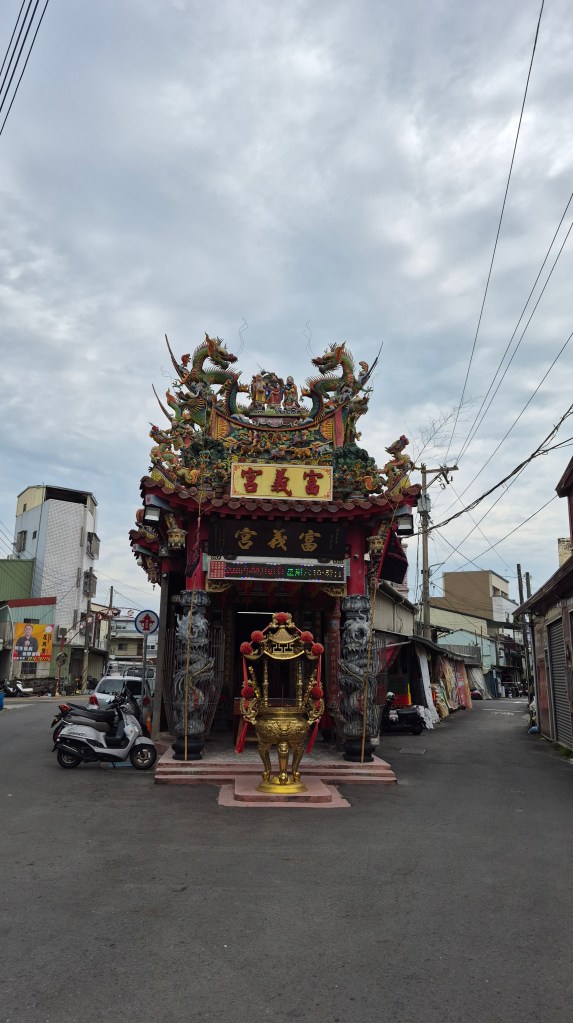
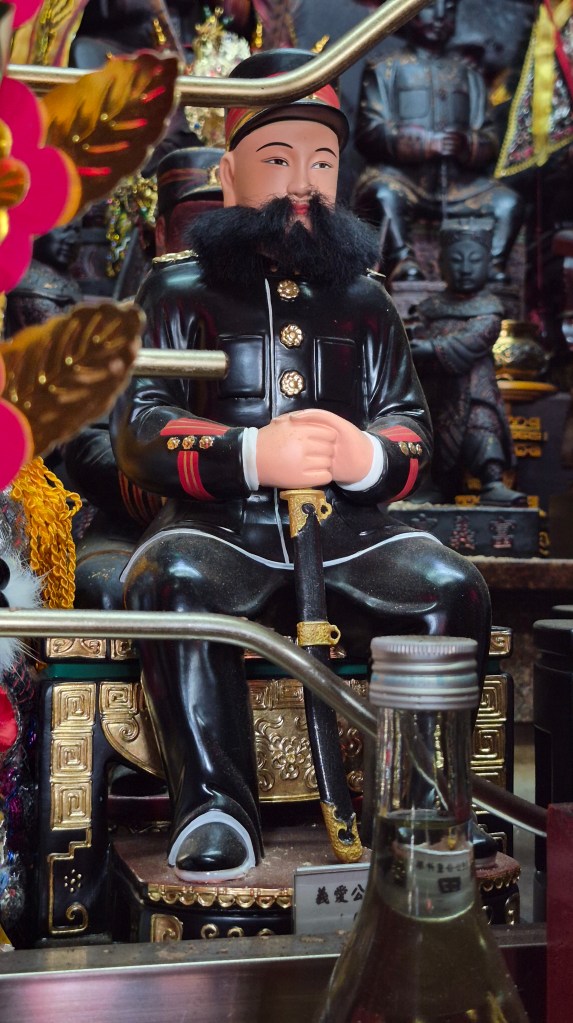
At Chiayi Small Fulai Fuan Temple 嘉義小副瀨富安宮, there was a worker, so I asked if we could take a picture of Yiai Gong. She went out to ask the temple manager. Luckily, they were so happy that we stopped and were interested in him that they took the idol out so we could get a good picture of him.


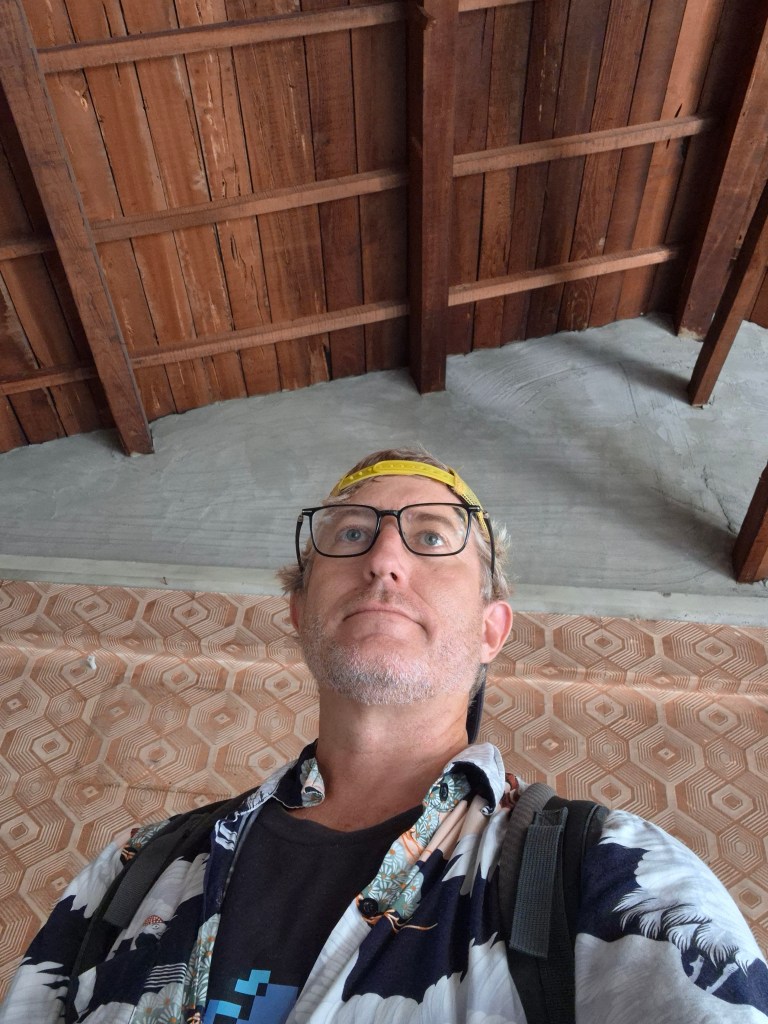
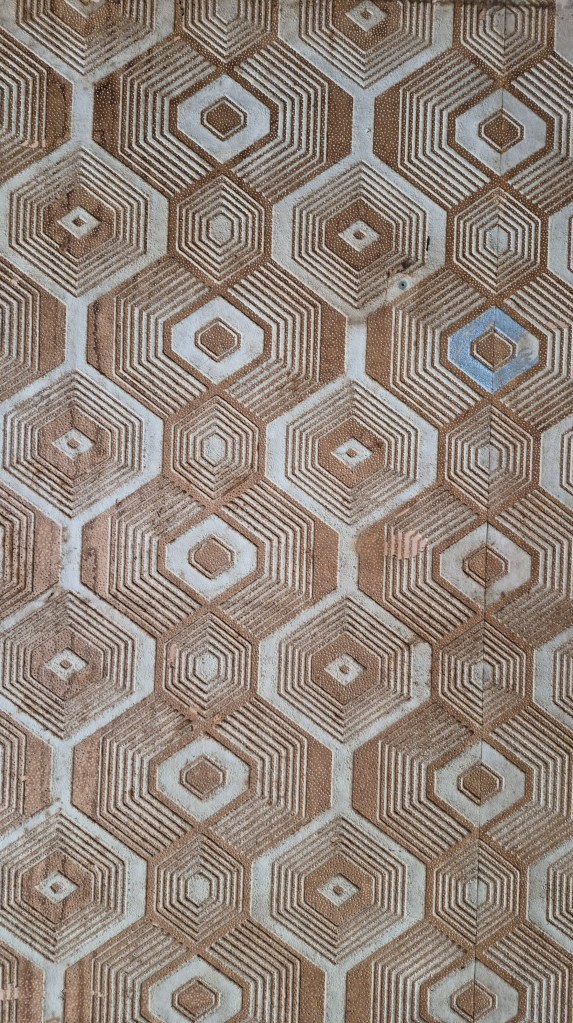
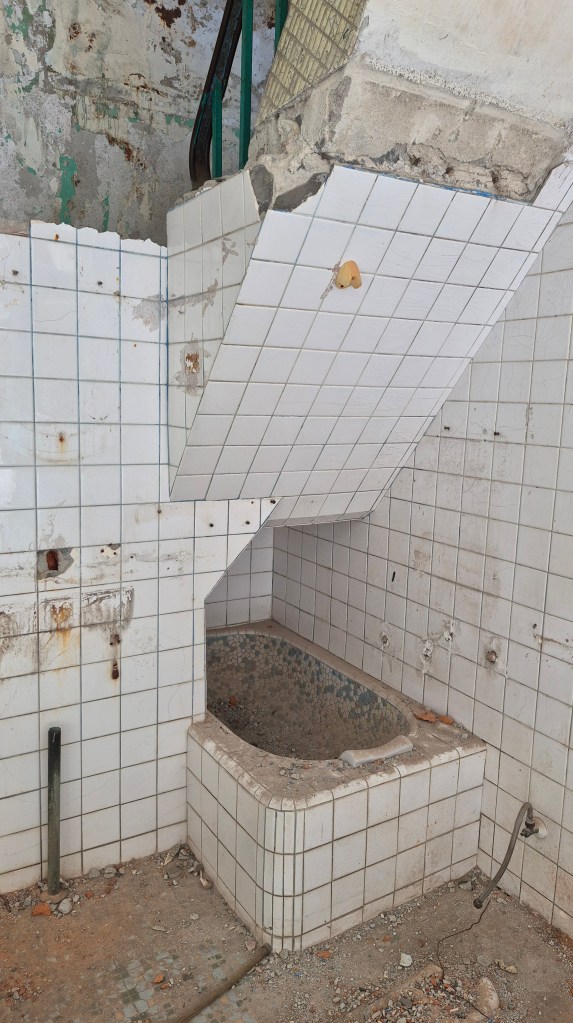
The next stop was the old and soon-to-be demolished market, Xingzhong Market. 興中市場. Built in the early 1960s, it really shows a glimpse of Chiayi’s past.
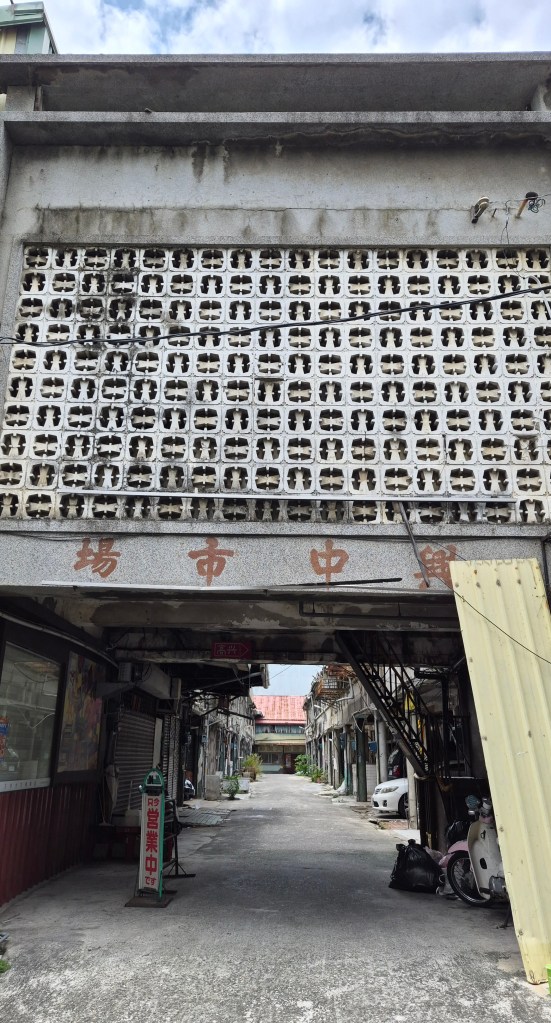
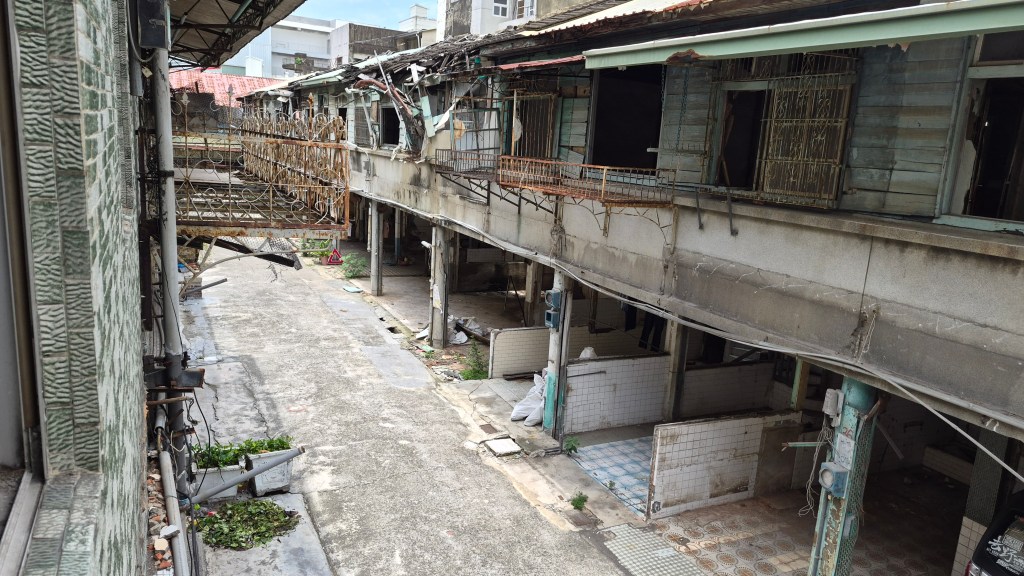



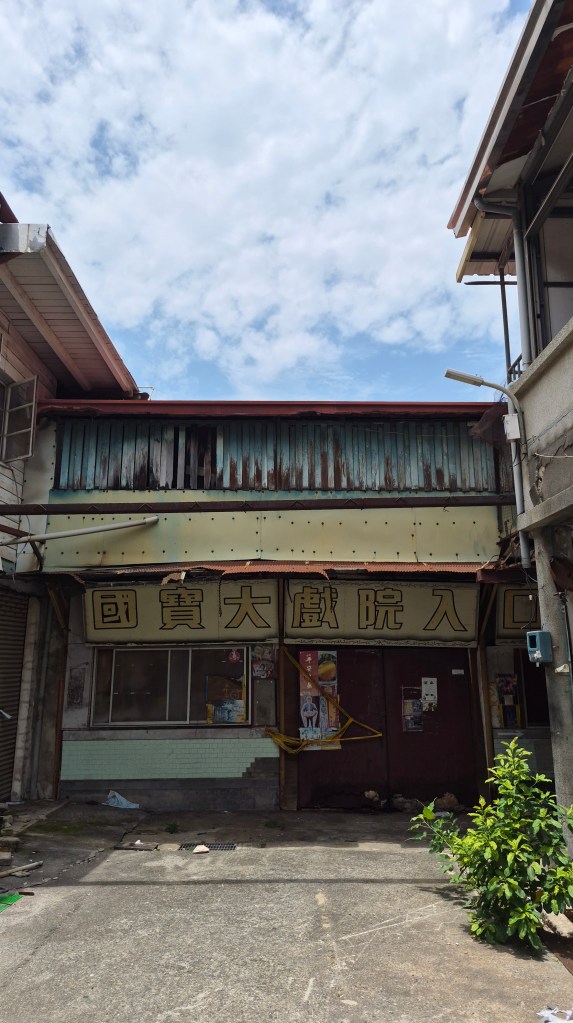
The long-closed 國寶戲院 Guobin Theater at the end of the market street.
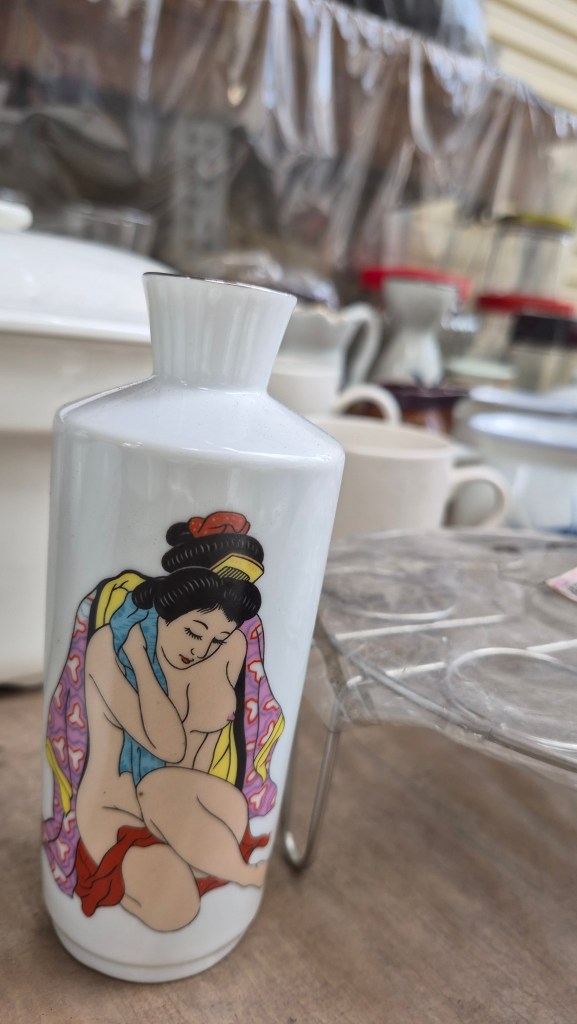
We even did a little shopping along the way. We each bought this nice little vase. Only 50nt!
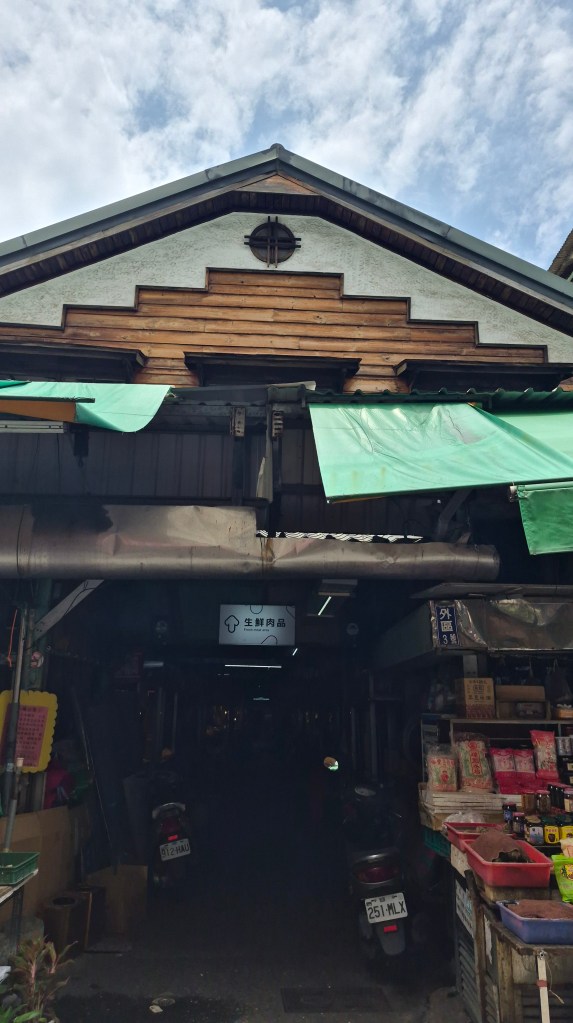
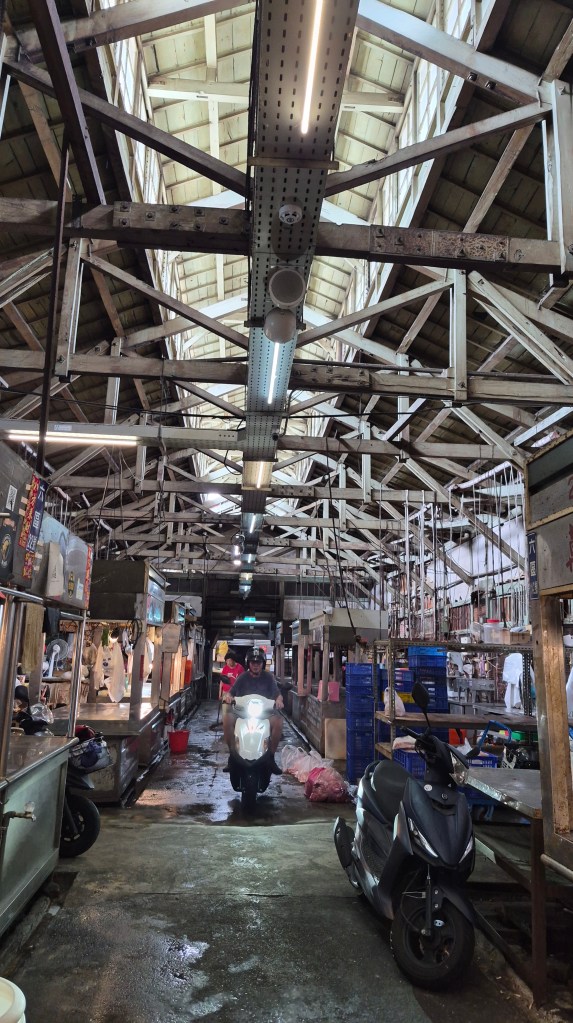
We then swung by Chiayi City East Public Retail Market 嘉義市東公有零售市場. Originally built in 1900, it has undergone many changes over the years due to fires, bombings, and earthquakes. But part of the market that was built in the late Japanese Colonial Era remains.

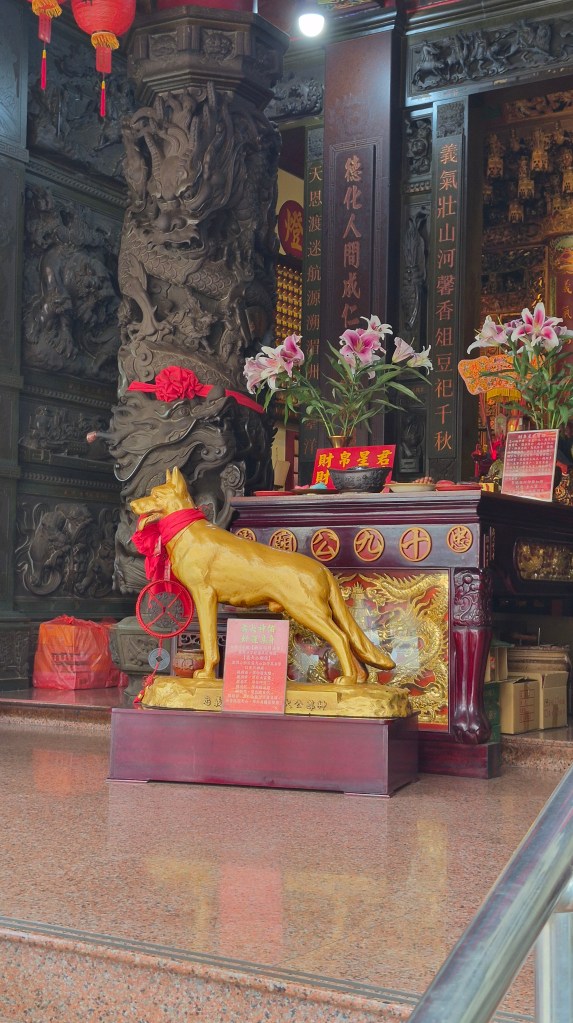
We visited the dog at 忠義十九公廟. There are a few stories as to why a dog is worshipped here, but most of them have a common theme of loyalty. I’ve read that for 500 NTD a year, you can light a pet safety and longevity lamp to help your furry friend make it through the year.
We then went to Chiayi Park to see the old Shinto Shrine relics and then visited the Chiayi City Historical Relic Museum. The building was built in 1943 as part of the Chaiyi Shrine complex.

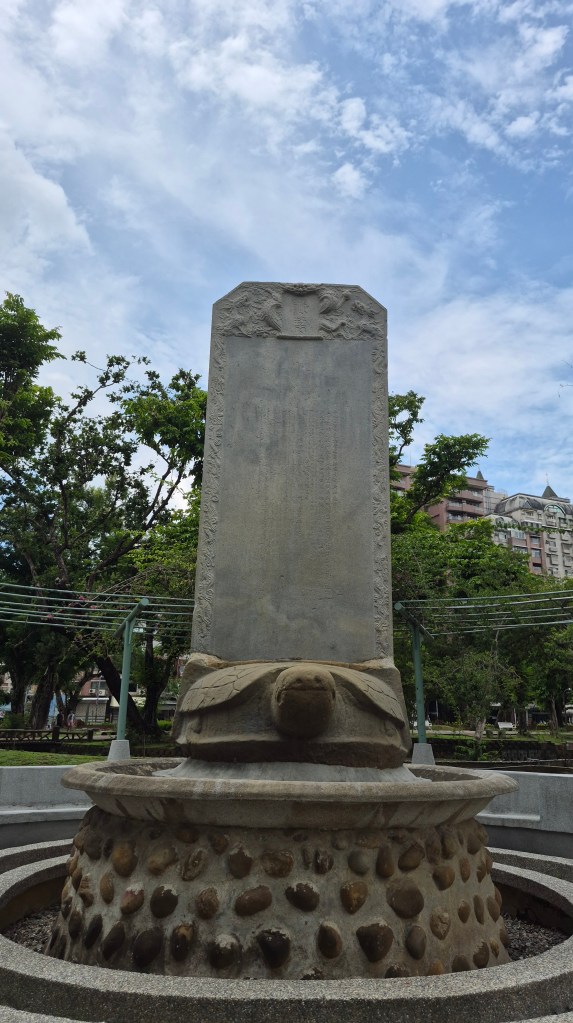
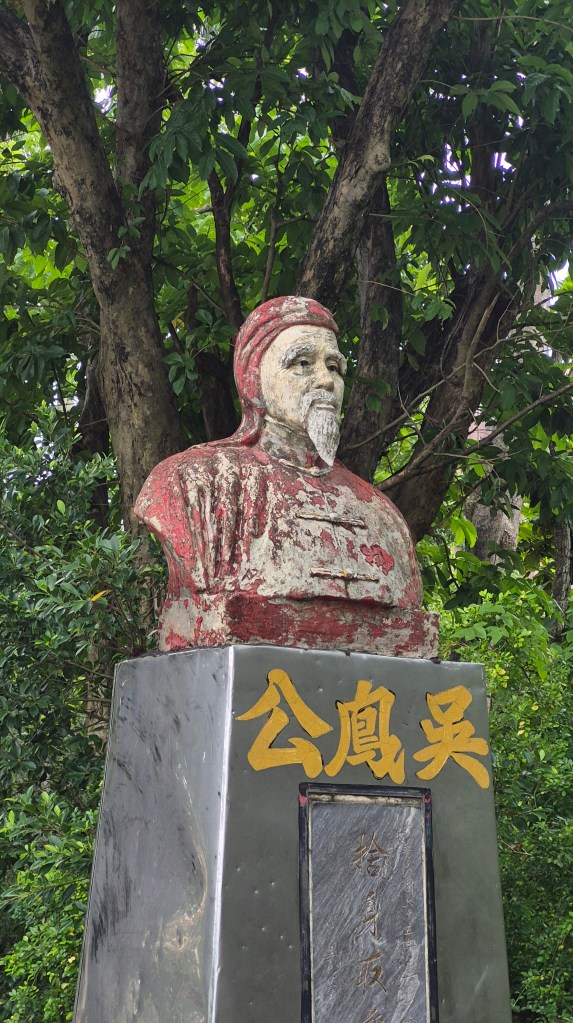
The park is also filled with some historical (and non-historical) statues, steles, and memorials. Here are a few.

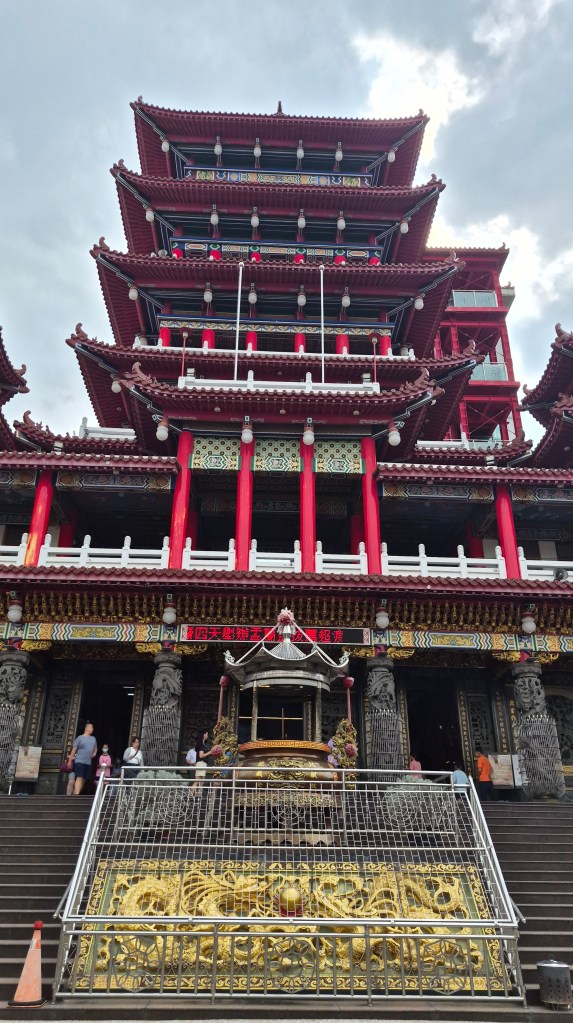
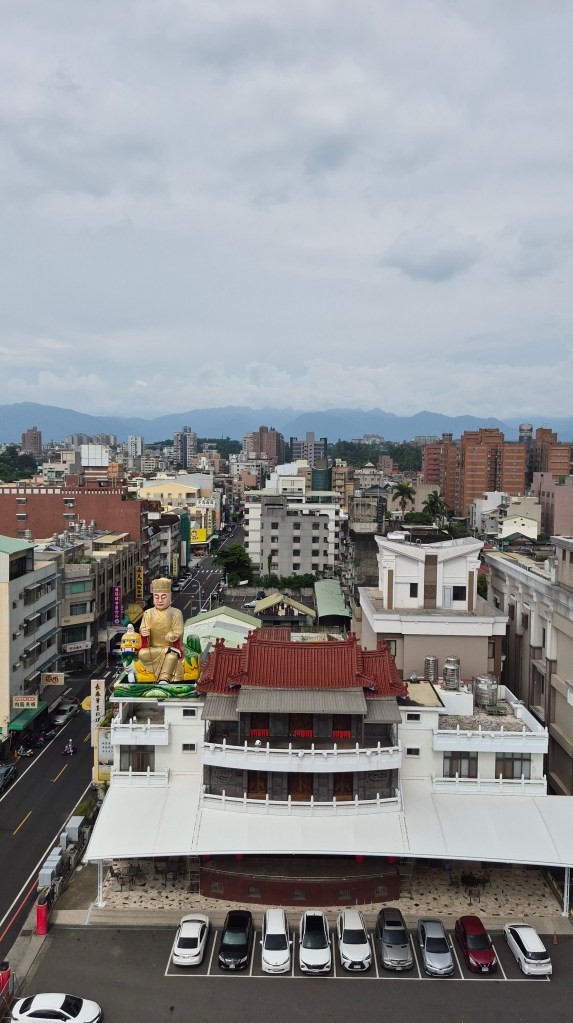
Jiuhua Mountain Temple 九華山地藏庵 and the view of Chiayi from the top floor.
As we walked back to the train station, we had a few more stops and just enjoyed walking around the old Chiayi streets.

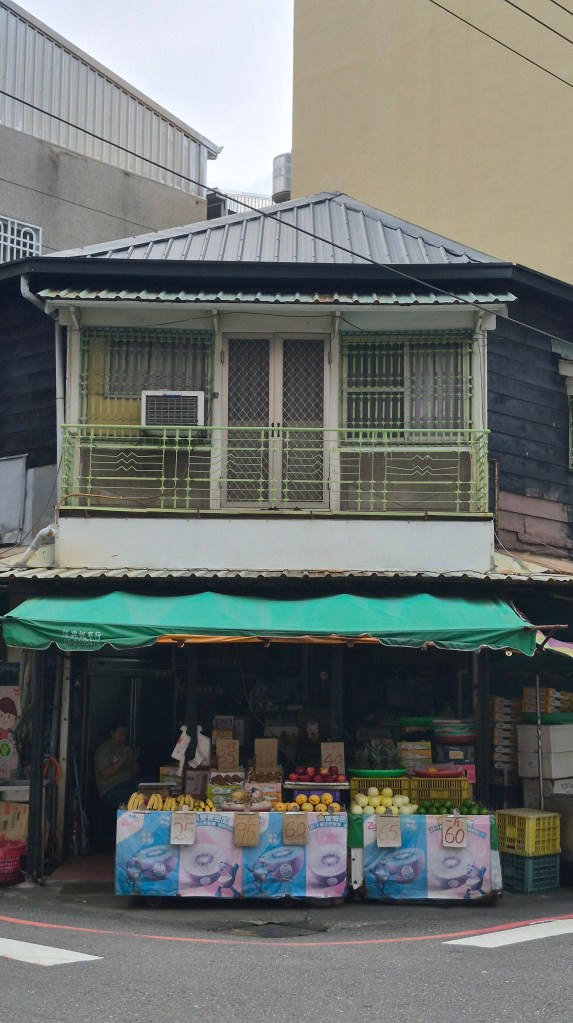
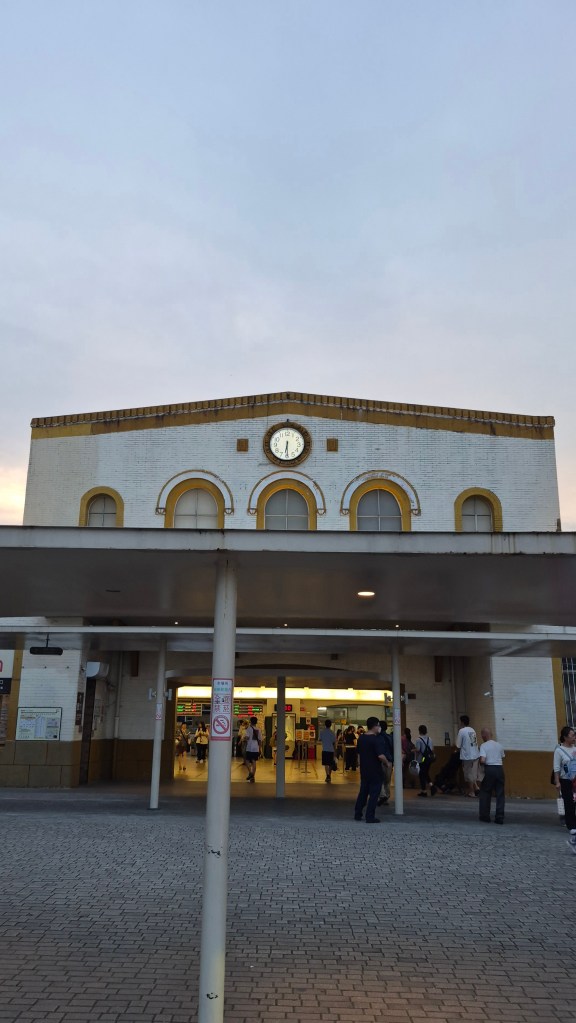
A lot of people say Chaiyi is boring, but I beg to differ. I feel that there is more than enough to see, eat, and do in Chaiyi for a nice little day trip.
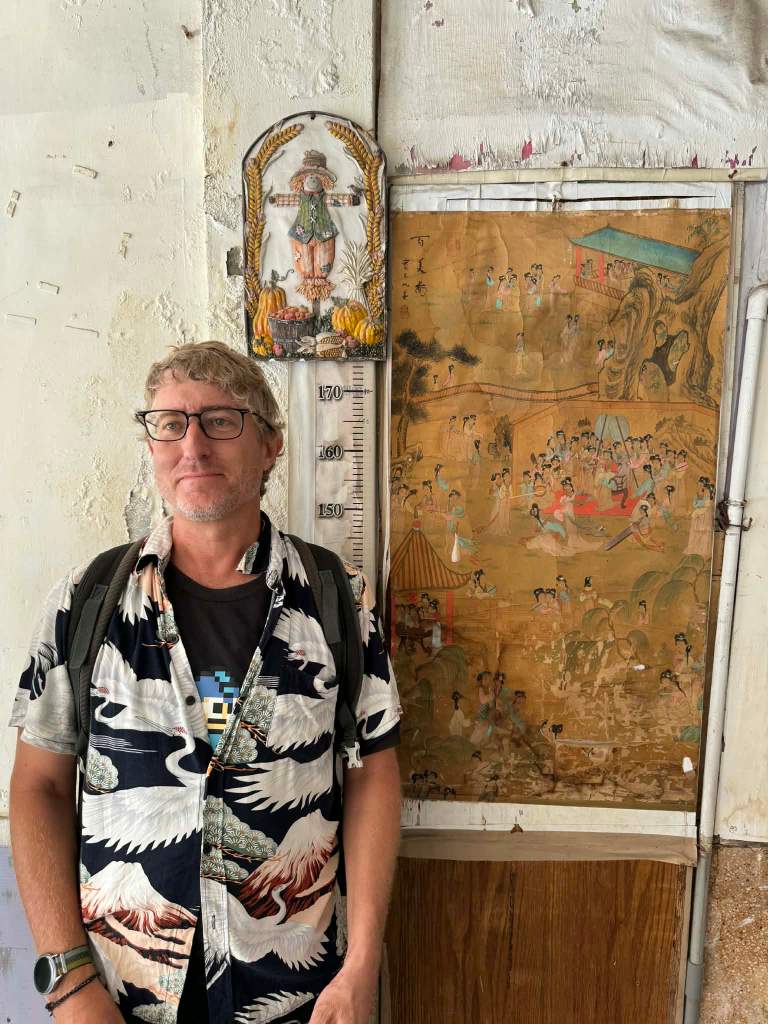
So, if you go to Chiayi, remember to go see Yiai Gong and say hi!

 Formosa>Ex
Another wonderful ramble, another sample of asking about and learning. Sometimes I regret that during my 35+ years of sojourn in southern Taiwan, I hadn’t been so “churchy”.
LikeLiked by 1 person
thanks a lot
LikeLike
I mean, “I wish that…”, not regret.
LikeLiked by 1 person