This community of Japanese-style houses is located in Gangshan district in Kaohsiung City. It was officially opened on December 1st, 1939. It was originally a housing complex for senior Japanese Naval Air Force officers. It was first used for civilian aviation.
However, as the war in the Pacific expanded, the Gangshan Airfield was converted into a military airfield. In October 1941, the Kaohsiung Air Force and the 61st Naval Air Station based at Gangshan Airfield were reorganized into the 11th Air Fleet and 11th Air Force. These homes housed a large number of top Naval Air Force officers.
Following World War II and the ROC’s retreat to Taiwan in 1949, the ROC, the Air Force Academy, the Air Force Communications and Electronics School, and the Air Force Mechanical School reopened their schools in Gangshan.
So many Air Force instructors and pilots moved into the houses. By the 1990s, most people moved into more modern housing, and the houses were abandoned.
In 2010, the entire village was listed as a historical area, and work on preserving the buildings began. It’s very similar to Sing Village, but the houses are more like traditional Japanese houses.
These pictures are from November 2024. There was a festival at the village, and you were allowed to wander around and check out the houses.
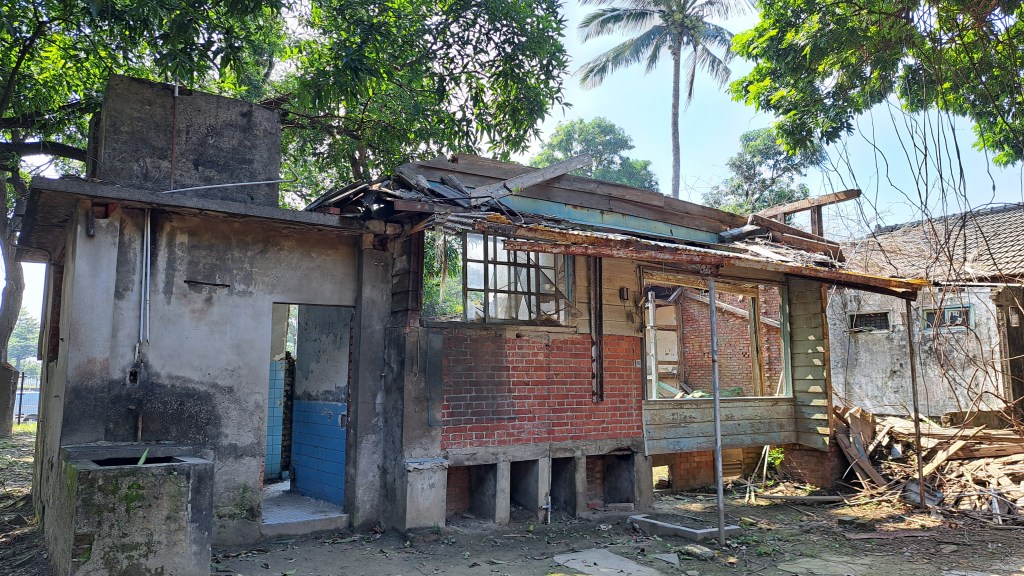

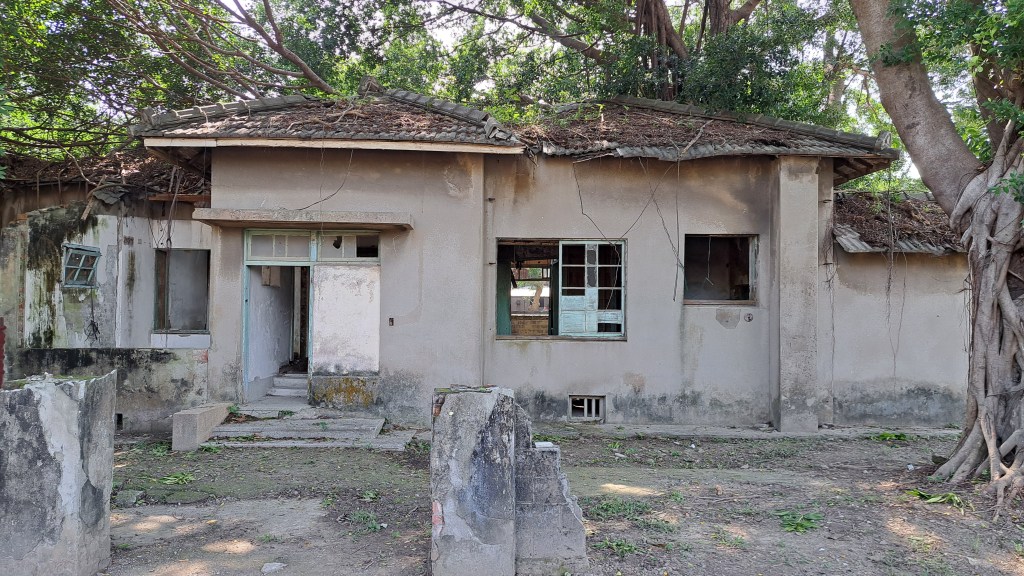

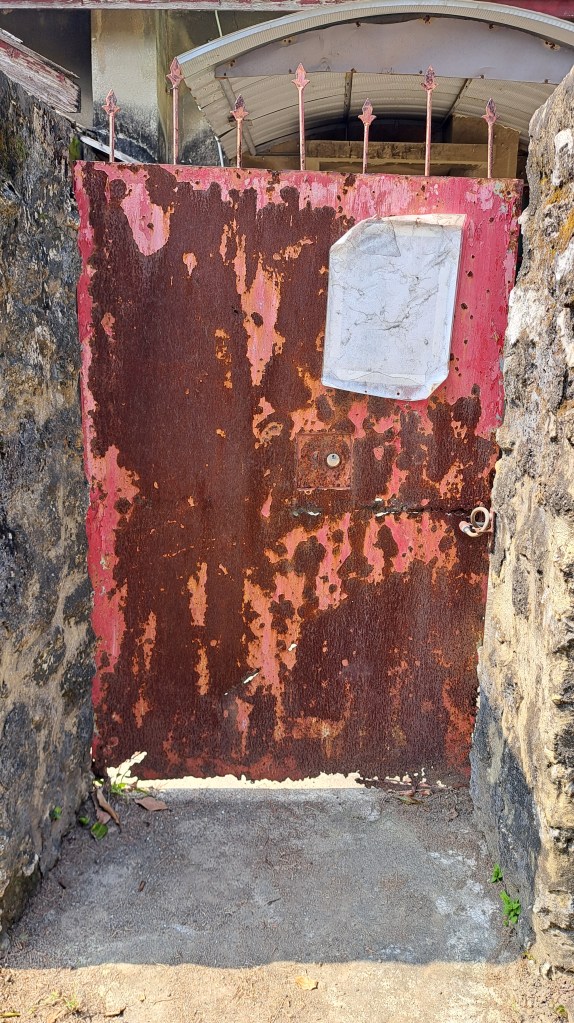
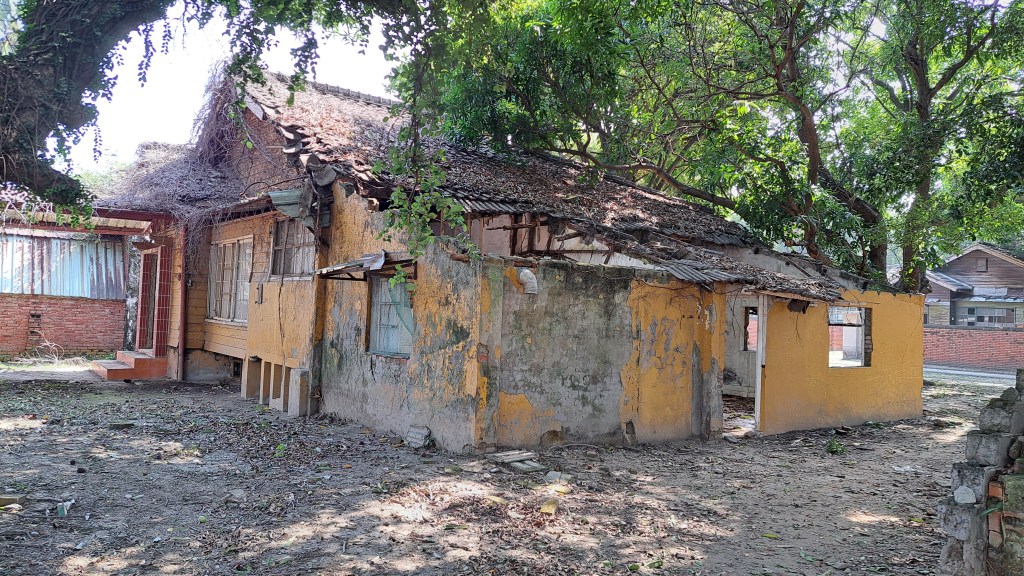
A newer house next to a Japanese-style house.
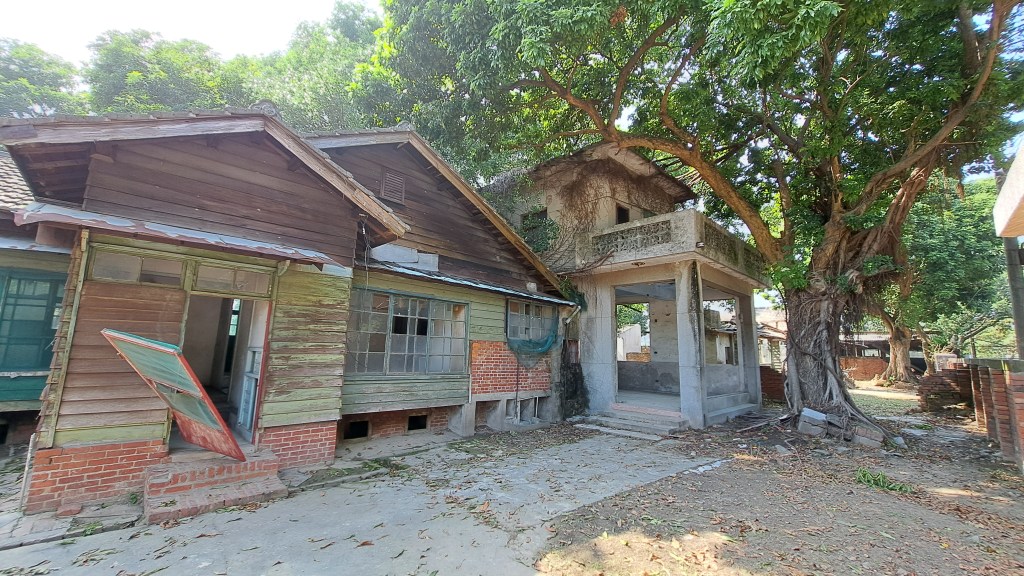

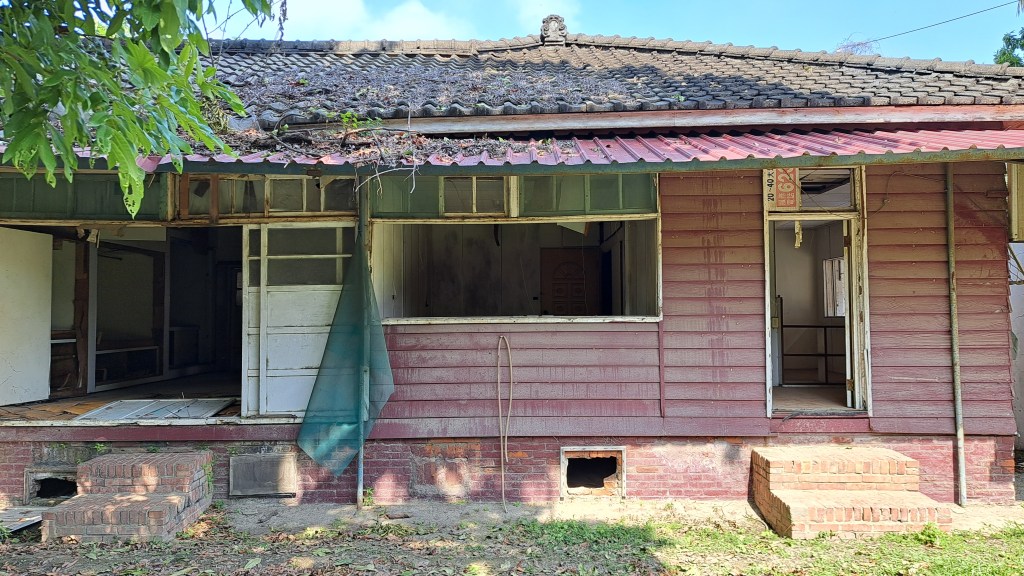
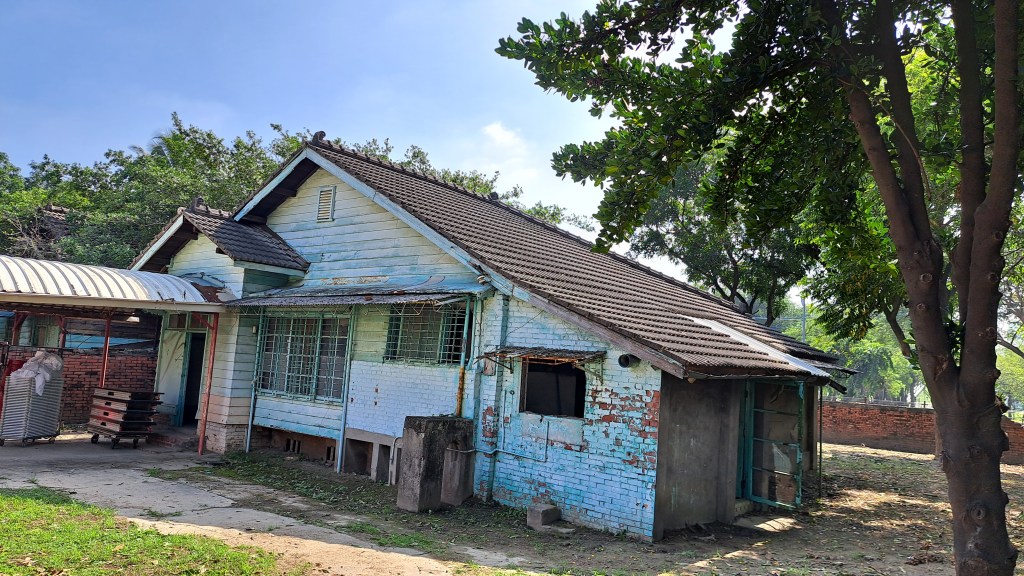
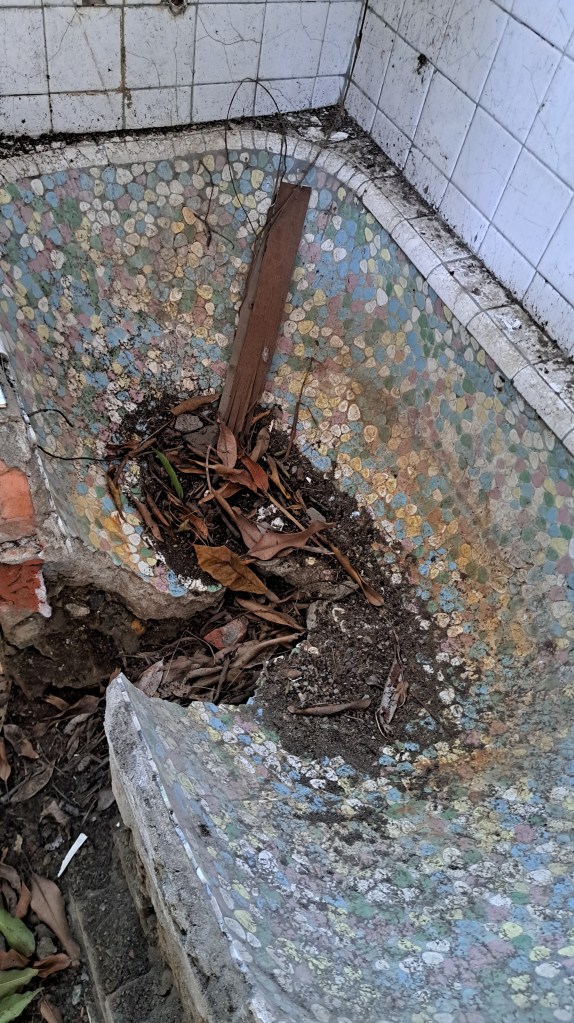
My favorite bathroom in the village.
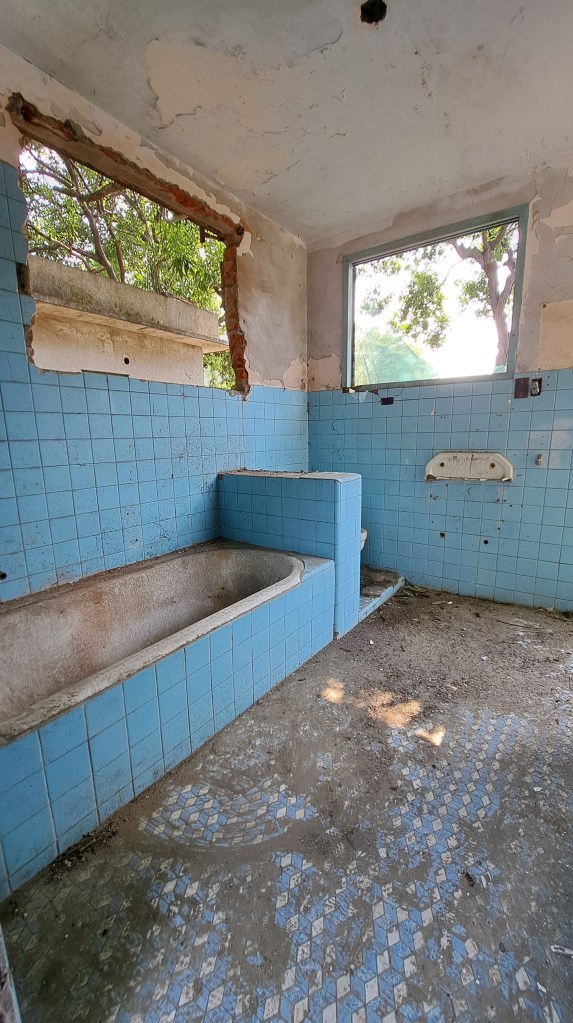
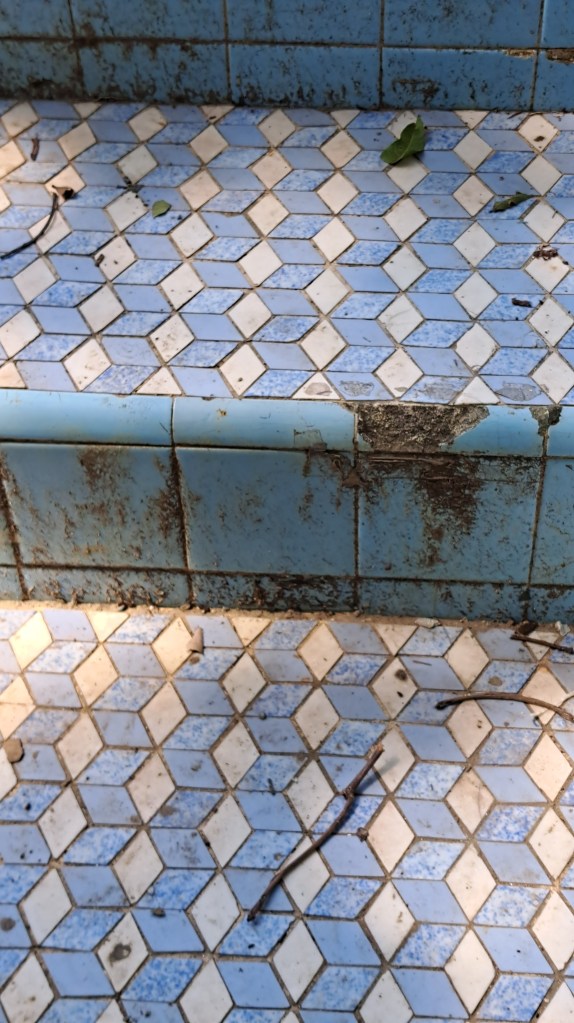
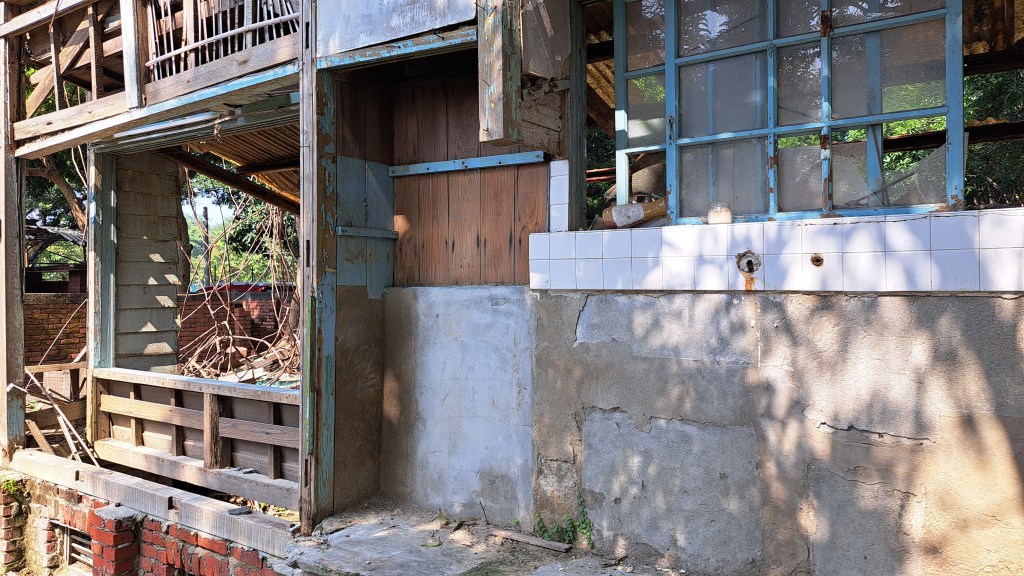

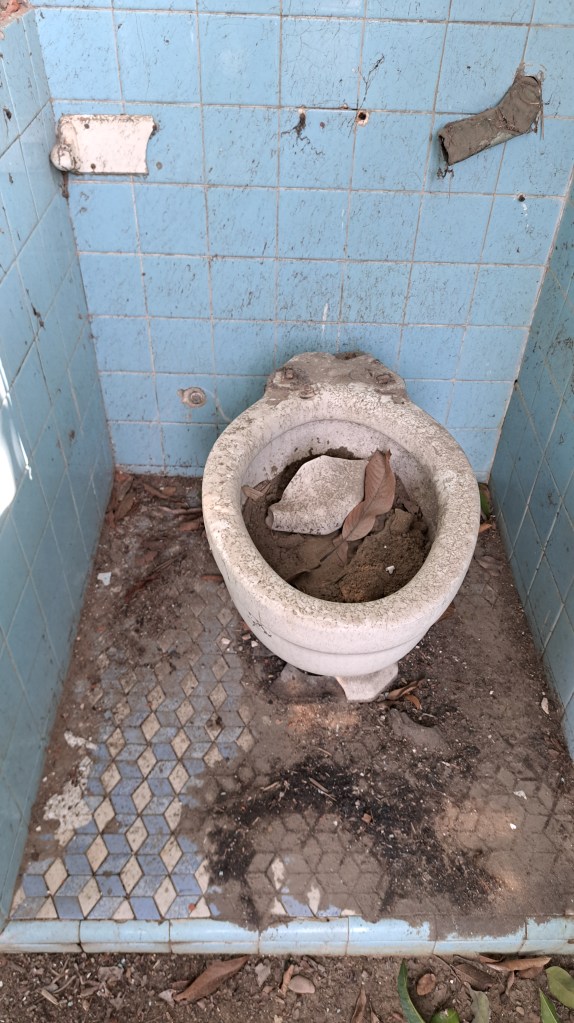
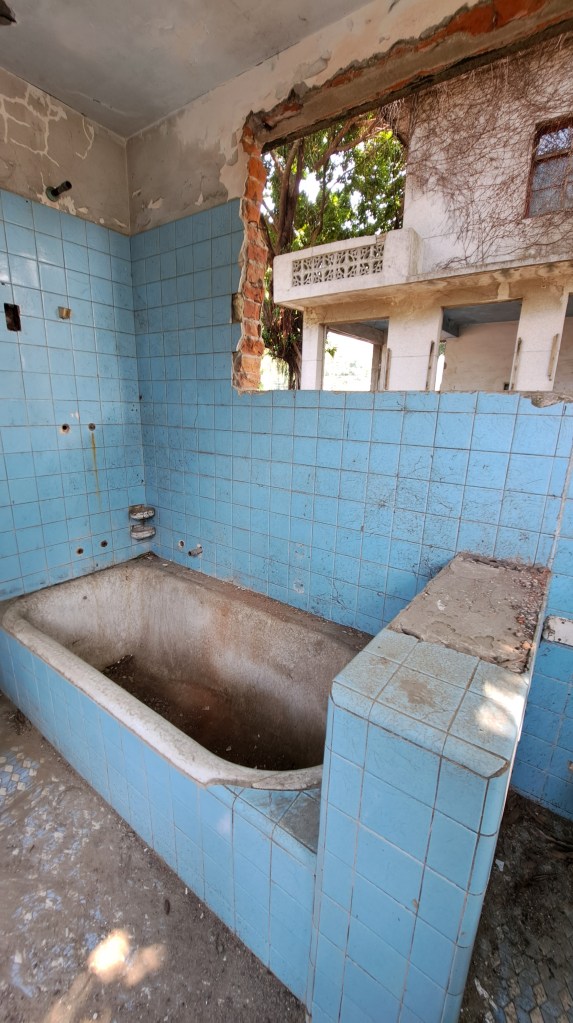
The insides of the houses are pretty empty and need a lot of work done on them.
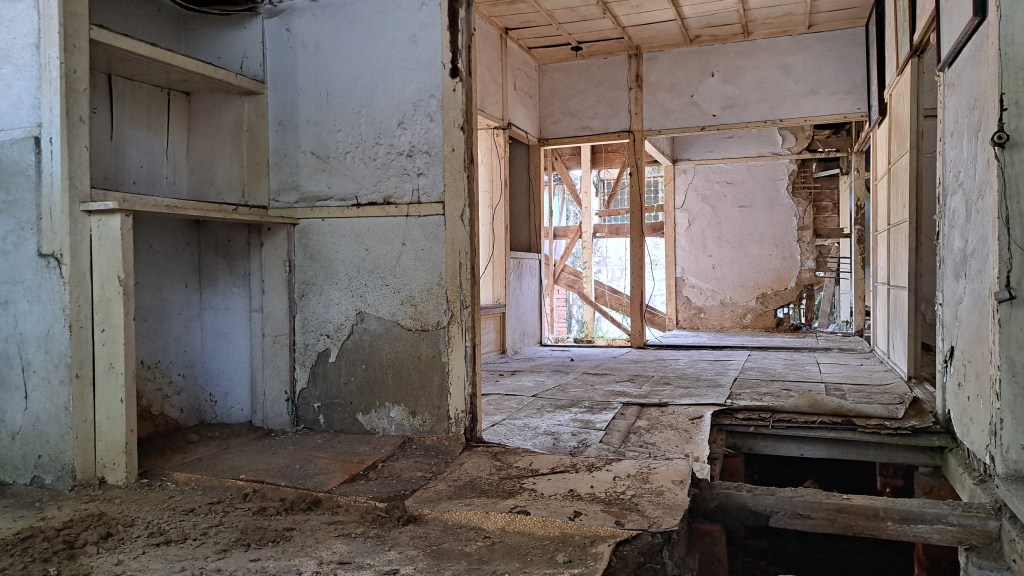
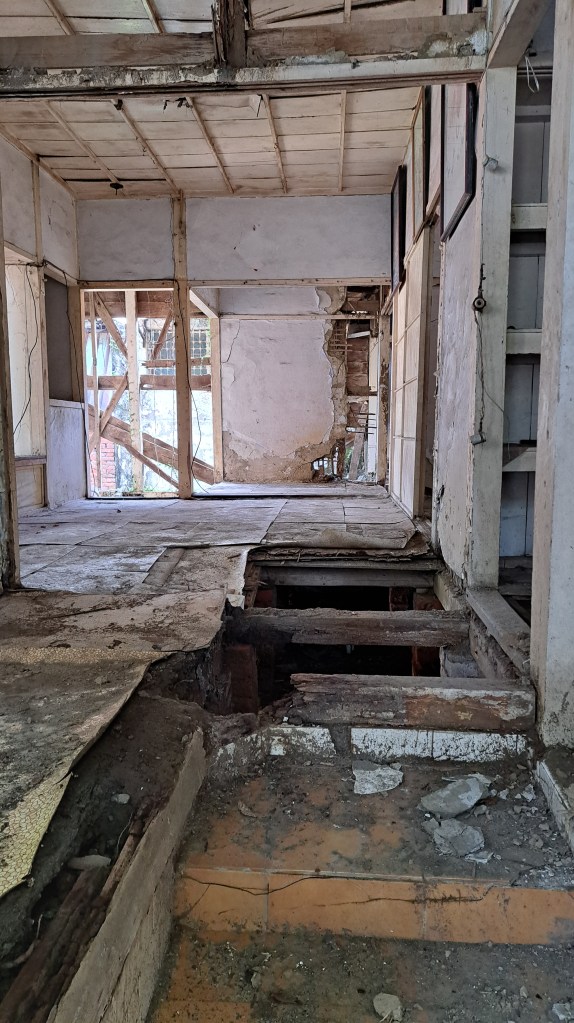
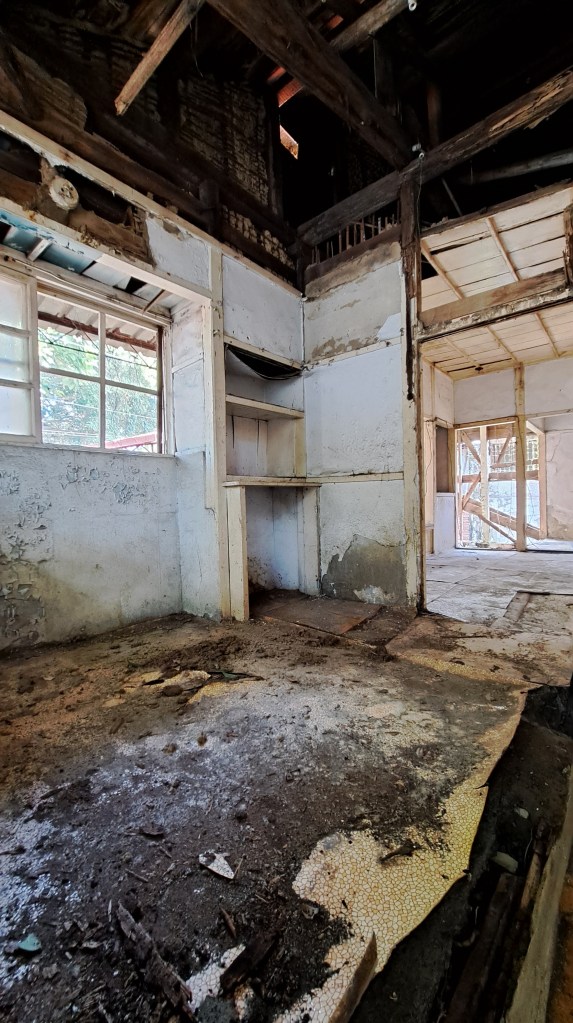
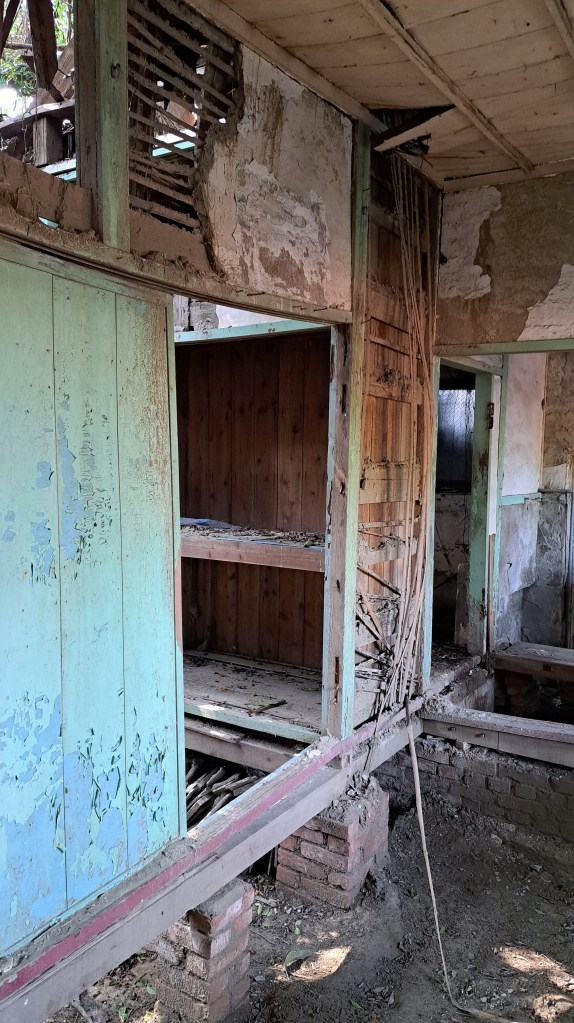
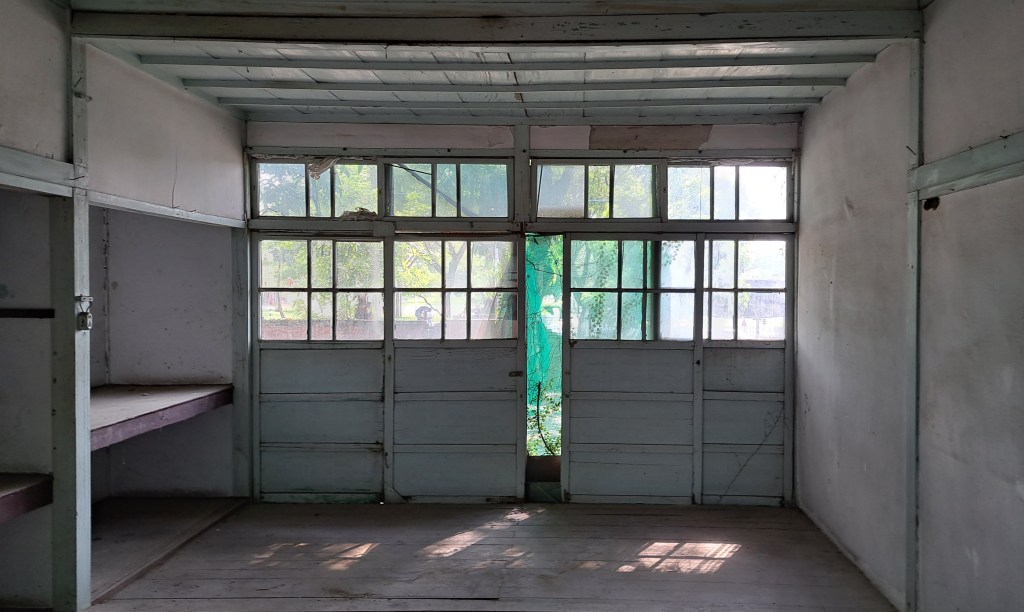
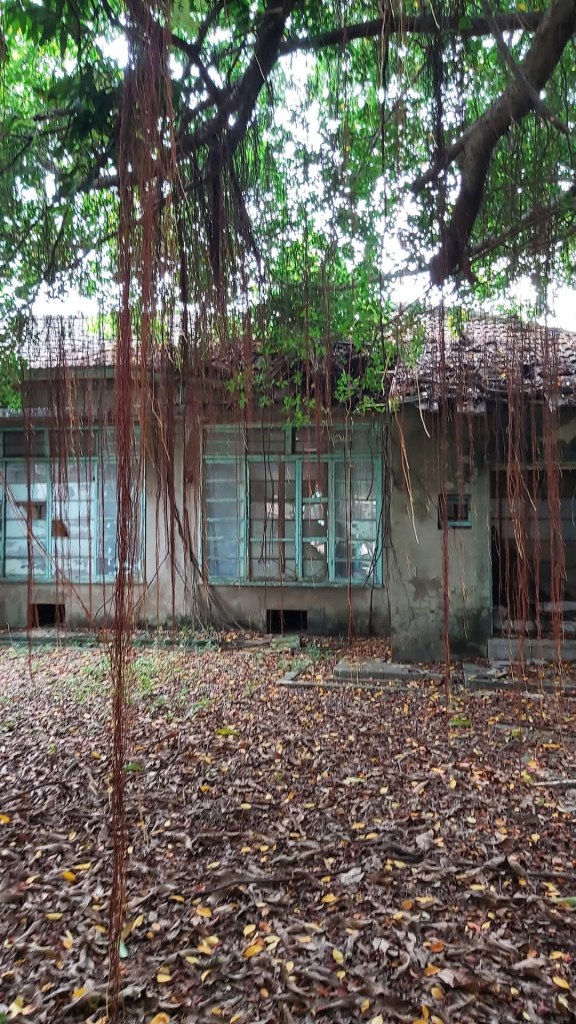
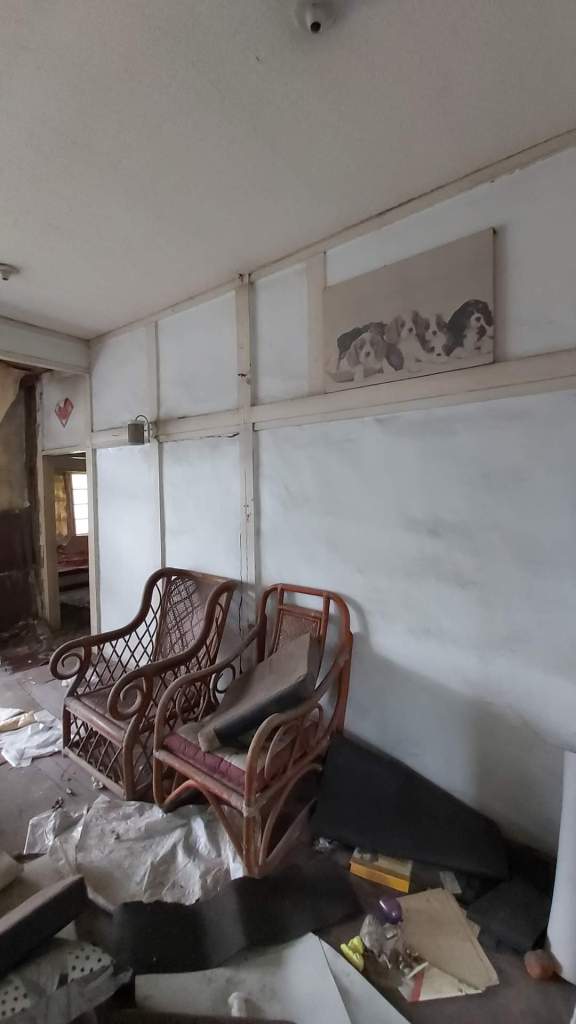
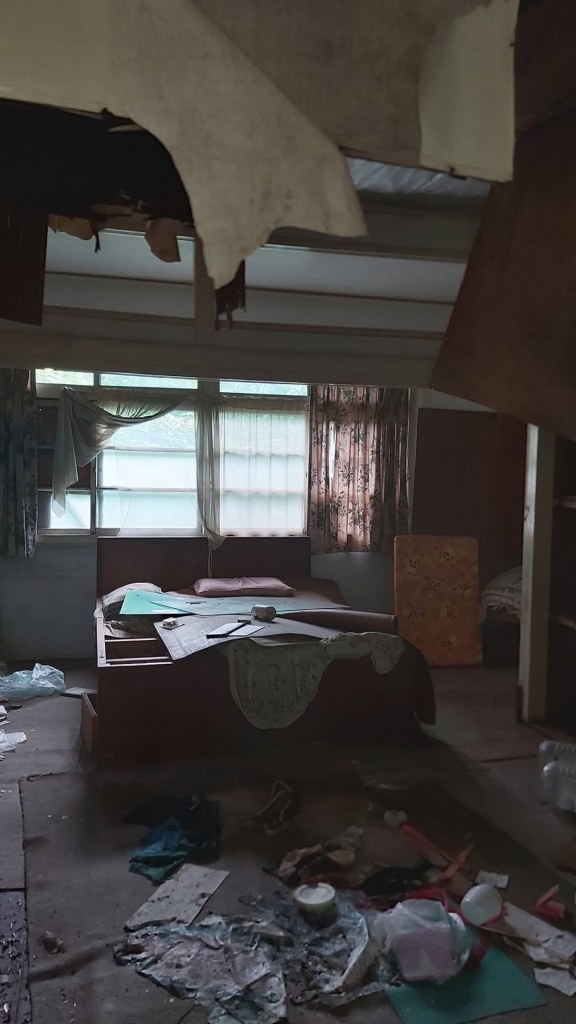
The next group of pictures are from August 2020. I went when it was a little easier to enter and visit the houses.
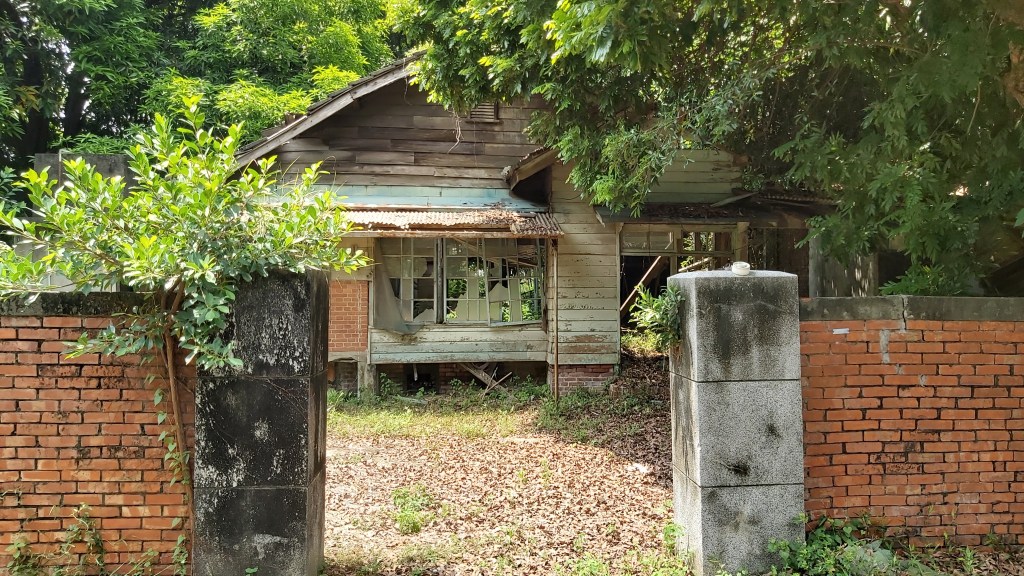
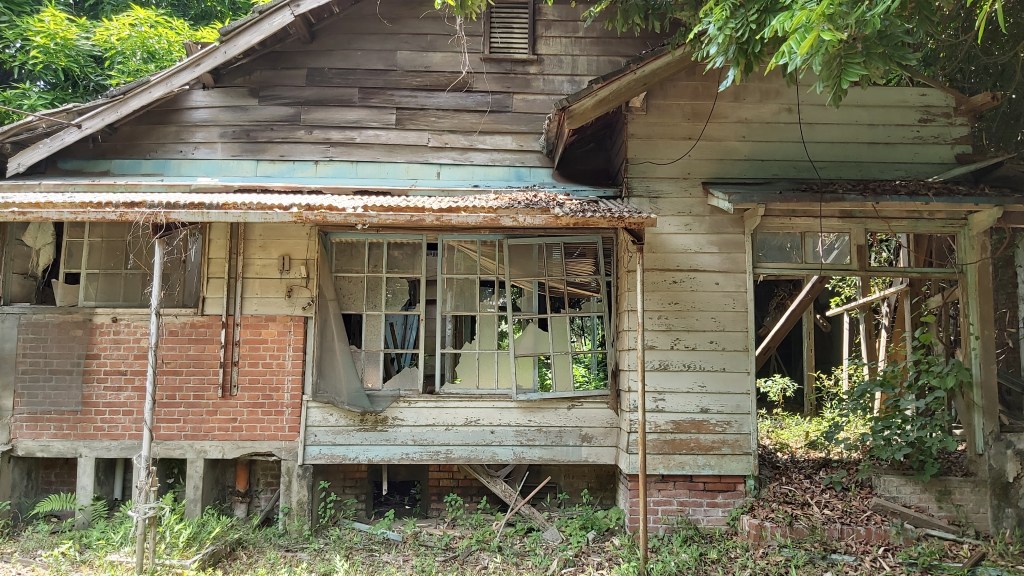
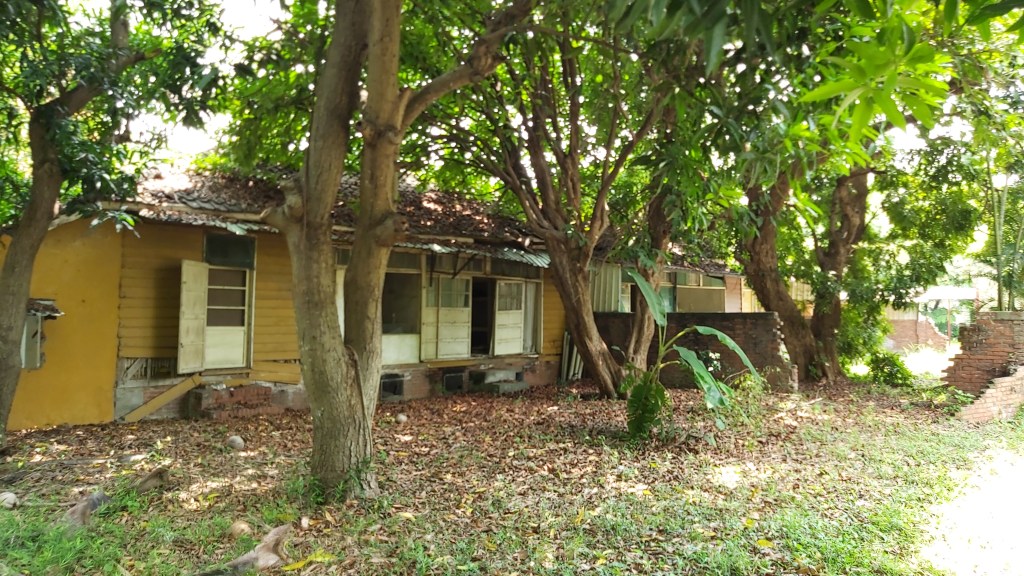
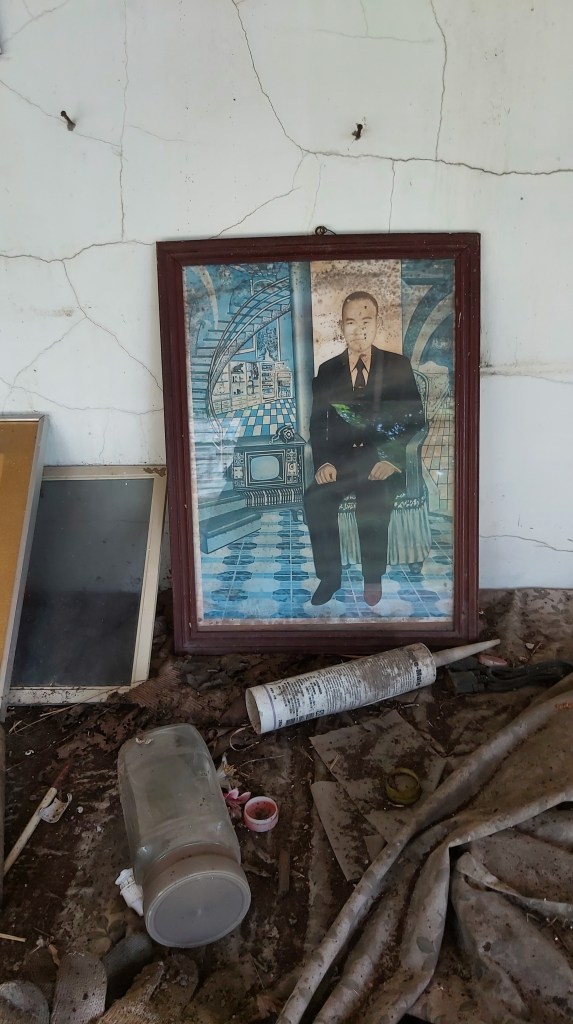
Some ancestor pictures.

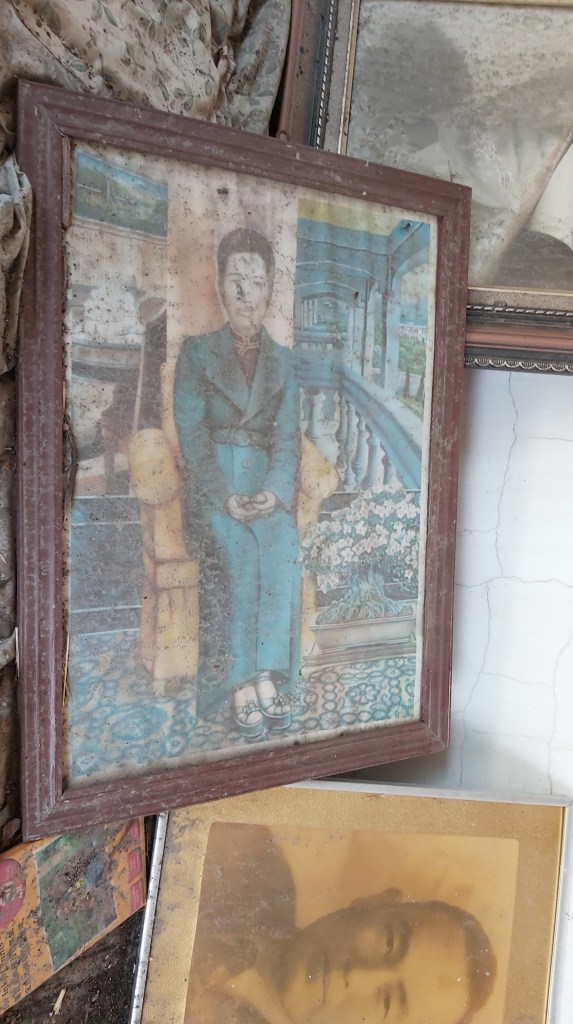
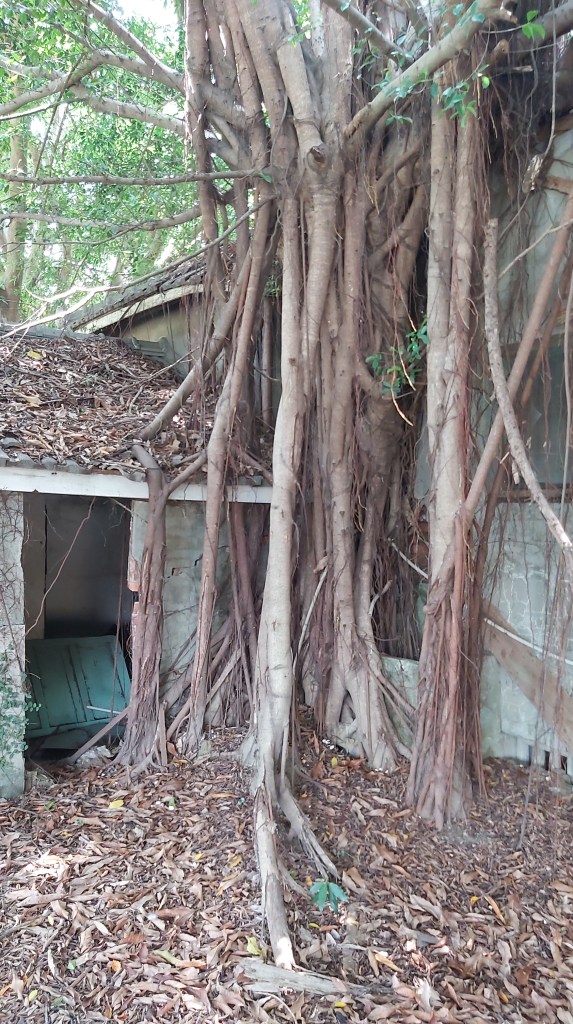
The trees are amazing.


Someone moved into one of the houses at one point.
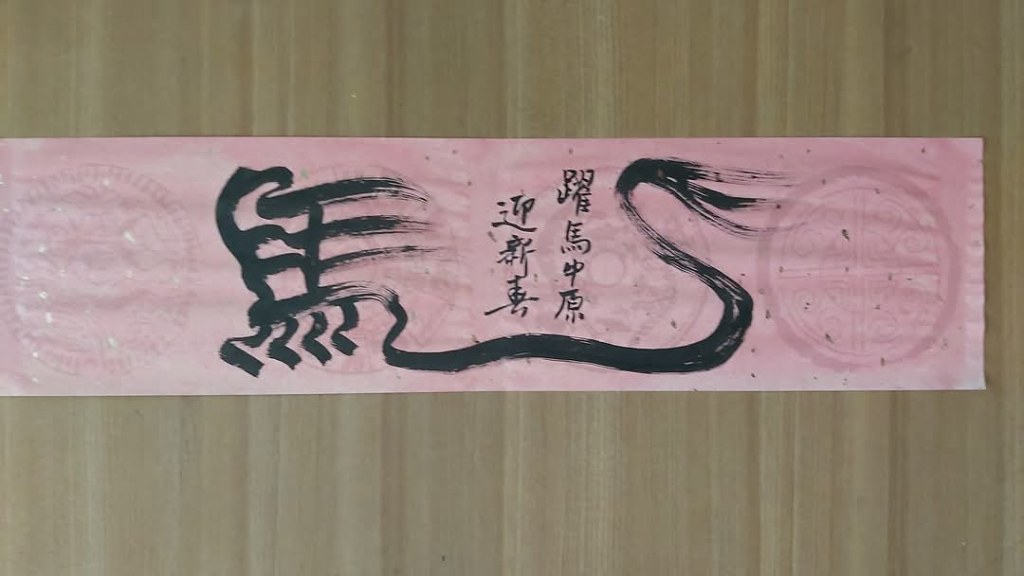
The Chinese character for horse is 馬 (mǎ). The character is based on a pictograph of a rearing horse, with the following parts representing different aspects of the horse:
- Upper half: Horizontal strokes that resemble the horse’s mane
- Bottom: Four shorter strokes that represent the horse’s legs
- Lower right: A hook-like stroke that represents the horse’s tail
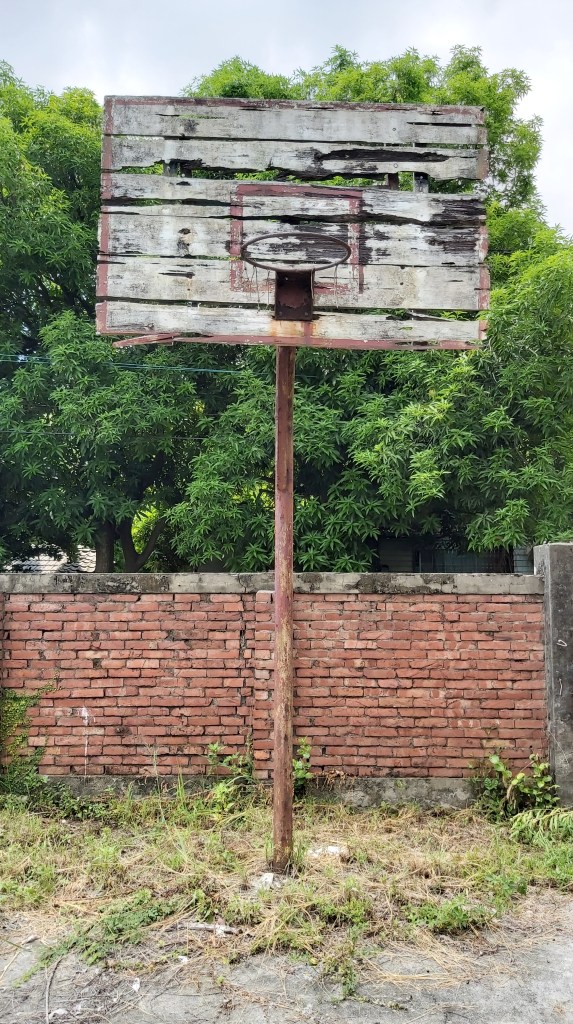
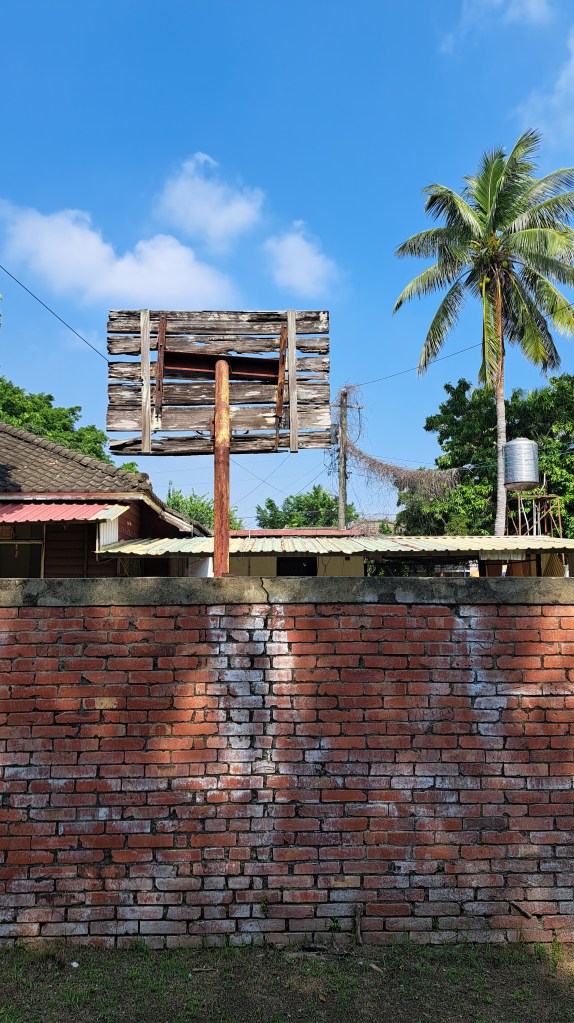
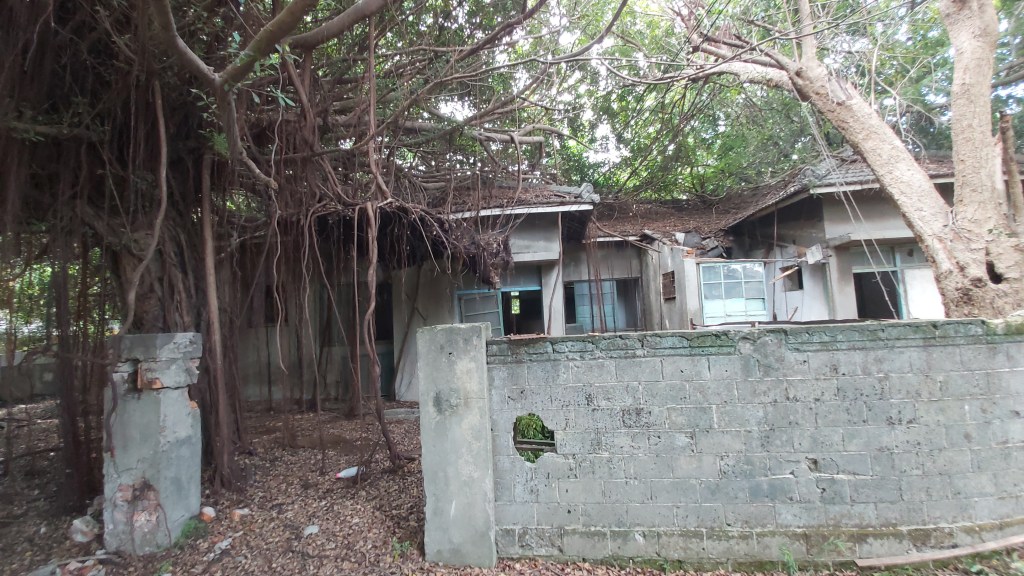
Lequn Village 岡山樂群新村 is conveniently located near Ganghan’s downtown area. Though you are not allowed to enter, you can see some of the houses from outside the gate and you can definitely say Hi!.

 Formosa>Ex